
Moving heavy furniture is one of the most stressful parts of any relocation. A solid wood wardrobe, a marble-top dining table, or a leather sectional can weigh hundreds of pounds, and one wrong move can mean scratched floors, dented walls, cracked legs, or a back injury. The good news is that with the right planning, tools, and techniques, you can move even the bulkiest pieces safely.
This guide walks you through every stage, from preparation to placement, so your furniture arrives in the same condition it left.
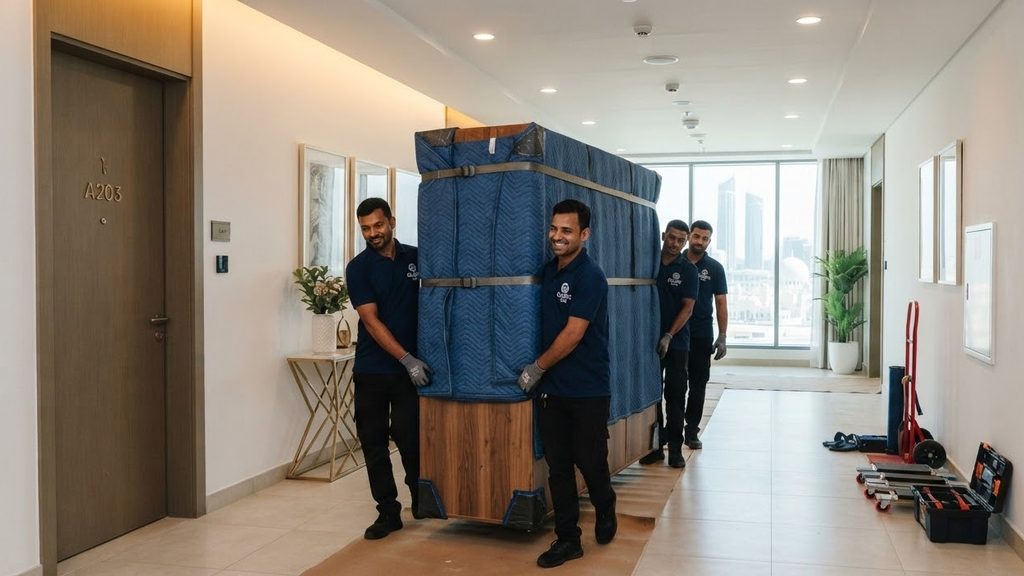
1. Plan Before You Lift Anything
Most furniture damage happens because of poor planning, not bad luck. Before moving day, spend time on these basics:
Measure everything. Measure your largest pieces (width, height, and depth) and compare them with doorways, hallways, staircases, lift (elevator) interiors, and tight corners at both your current and new homes. Many people discover too late that a sofa simply will not fit through the entrance.
Map your route. Walk the path from the furniture’s current spot to the moving vehicle. Note stairs, thresholds, sharp turns, and low ceilings or light fixtures. Clear the path of rugs, shoes, décor, and anything that could cause a trip.
Check building rules. In apartment towers and managed communities, there are often restrictions on moving hours and lift reservations. Booking the service lift in advance prevents delays and keeps your furniture from waiting in a hallway where it can get bumped.
Decide what to dismantle. Beds, wardrobes, large tables, and modular units are far easier and safer to move in parts. Take photos before disassembly so reassembly is simple.
2. Gather the Right Equipment
Trying to carry heavy items by hand alone is the fastest way to cause damage. Gather these supplies in advance:
- Furniture sliders: Plastic or felt discs that slip under legs so heavy items glide across floors without scratching.
- Moving blankets or pads: Thick padding protects surfaces from dents, scuffs, and scrapes.
- Stretch wrap: Keeps blankets in place, holds drawers closed, and protects upholstery from dust and moisture.
- Furniture dolly or hand truck: Supports heavy loads and reduces strain on your body.
- Lifting straps: Shoulder or forearm straps distribute weight and give you better control.
- Bubble wrap and corner protectors: Essential for glass, mirrors, and sharp table corners.
- Packing tape, screwdrivers, and zip bags: For disassembly and keeping hardware organized.
- Floor protection: Cardboard, plastic runners, or protective film to shield tiles, marble, and hardwood.
Investing in proper tools costs far less than repairing a gouged floor or replacing a broken piece.
3. Prepare the Furniture Properly
Preparation is where most damage is prevented.
Empty it completely. Remove everything from drawers, cabinets, and shelves. Even a few books can shift the weight balance and strain joints.
Remove detachable parts. Take off legs, shelves, glass panels, mirrors, and handles where possible. Place screws and bolts in labeled zip bags and tape the bag to the corresponding piece so nothing gets lost.
Secure moving parts. Tape doors and drawers shut with painter’s tape or wrap them with stretch film. Avoid strong adhesive tape directly on wood finishes, as it can lift varnish.
Wrap each item. Cover surfaces with moving blankets, then secure them with stretch wrap. Protect corners and edges with extra padding, since these take the most impact during transit.
Protect upholstery. Cover sofas and chairs with fitted plastic or fabric covers to guard against dirt, tears, and moisture.
4. Use Safe Lifting Techniques
Heavy furniture can injure you as easily as it can be damaged. Good technique protects both.
Lift with your legs, not your back. Bend at the knees, keep your back straight, and hold the item close to your body.
Work in teams. Never attempt to carry a heavy wardrobe or sectional alone. Two to four people are typically needed, depending on the weight and size.
Communicate clearly. Agree on signals before lifting, such as who leads, when to turn, and when to set down. Call out obstacles like steps and corners.
Lift, don’t drag. Dragging causes scratches, loosens joints, and can crack legs. Use sliders or lift the item fully.
Tilt strategically. Many tall pieces fit through doorways when tilted or rotated. Always tilt in the direction that puts the least stress on joints and glass.
Take breaks. Fatigue leads to dropped furniture and injuries. Rest between heavy lifts.
5. Moving Specific Types of Heavy Furniture
Different items need different handling.
Sofas and Sectionals
Remove cushions and detachable legs. Carry sofas on their end or side if the structure allows, keeping the frame supported. Wrap the fabric to prevent snags and stains.
Wardrobes and Cabinets
Empty, then remove doors and shelves if possible. Carry wardrobes upright or slightly tilted, never laid flat unless the manufacturer allows it, since flat positioning can twist the frame.
Beds and Mattresses
Dismantle the frame, bag the hardware, and wrap the headboard and slats. Mattresses should go in protective covers and be carried upright to avoid bending.
Dining Tables
Remove legs and leaves. Protect tabletops with thick padding, especially glass or marble, and lay them flat or on their long edge with corner guards. Never stack heavy objects on top.
Glass and Marble Pieces
Use bubble wrap, rigid cardboard sheets, or custom crating. Transport upright and avoid pressure on the center. These items often benefit from professional handling because of weight and fragility.
Pianos and Very Heavy Items
Items like pianos, large safes, or solid stone furniture are best handled by trained professionals with specialized equipment.
6. Protect Your Home While Moving
Furniture is not the only thing at risk. Doorframes, walls, stair rails, and floors can easily get damaged.
- Lay protective runners across hallways and entryways.
- Wrap door frames and corners with padding or foam.
- Remove doors from hinges if clearance is tight.
- Use corner guards on walls at tight turns.
- Keep pets and children away from the working area.
A few minutes of protection can save you from costly repairs and security deposit disputes.
7. Load the Truck Carefully
How you load matters just as much as how you carry.
Load heavy items first. Place wardrobes, appliances, and large sofas at the bottom and front of the truck.
Keep furniture upright where designed. Place items in their natural orientation whenever possible.
Secure everything. Use ratchet straps or ropes to prevent shifting. Movement during transit causes much of the hidden damage, such as chipped corners and loosened joints.
Fill gaps. Use blankets or smaller soft items to fill empty spaces so furniture cannot slide.
Avoid stacking on delicate surfaces. Never place heavy boxes on upholstered or glass-topped furniture.
8. Unloading and Placing at the New Home
Once you arrive, take the same care in reverse.
- Protect the floors and entryways before unloading.
- Decide the final location of each piece in advance so you do not need to reposition heavy items repeatedly.
- Place bulky furniture first, then smaller items.
- Reassemble using your photos and labeled hardware.
- Inspect each piece for damage and tighten all screws and fittings.
Use sliders to fine-tune positions rather than dragging pieces into place.
9. When to Hire Professionals
Some moves are simply too risky for a DIY approach. Consider professional help when you have:
- Very heavy or oversized items
- Multiple floors with narrow staircases
- High-value or antique furniture
- Limited time or a lack of helpers
- Delicate materials like glass, marble, or inlaid wood
If you are relocating in the UAE capital, experienced furniture movers in Abu Dhabi bring trained crews, proper equipment, and packing materials that help prevent damage and speed up the process. They can also handle dismantling, protective wrapping, lift coordination, transport, and reassembly, which takes much of the stress off you.
When choosing a provider, look for clear pricing, trained staff, proper equipment, positive reviews, and insurance coverage. Reliable furniture moving services in Abu Dhabi will typically offer a pre-move assessment so there are no surprises on the day.
10. Common Mistakes to Avoid
- Skipping measurements: Leads to stuck furniture and damaged doorframes.
- Dragging items across floors: Causes scratches and structural stress.
- Poor wrapping: Thin or uneven padding leaves corners and edges exposed.
- Carrying alone: Increases the risk of injury and drops.
- Overloading drawers: Adds weight and can break frames.
- Rushing: Most accidents happen when people hurry.
- Ignoring fragile parts: Handles, glass panels, and decorative trims break easily if not removed or protected.
Final Thoughts
Moving heavy furniture without damage comes down to preparation, protection, and patience. Measure carefully, use the right tools, wrap every piece properly, lift with teamwork, and take extra care with fragile or very heavy items. Whether you handle the job yourself or bring in experts, a thoughtful approach will protect your belongings, your home, and your back.
With the right plan, your furniture can make the journey to your new space safely and look just as good as the day you packed it.